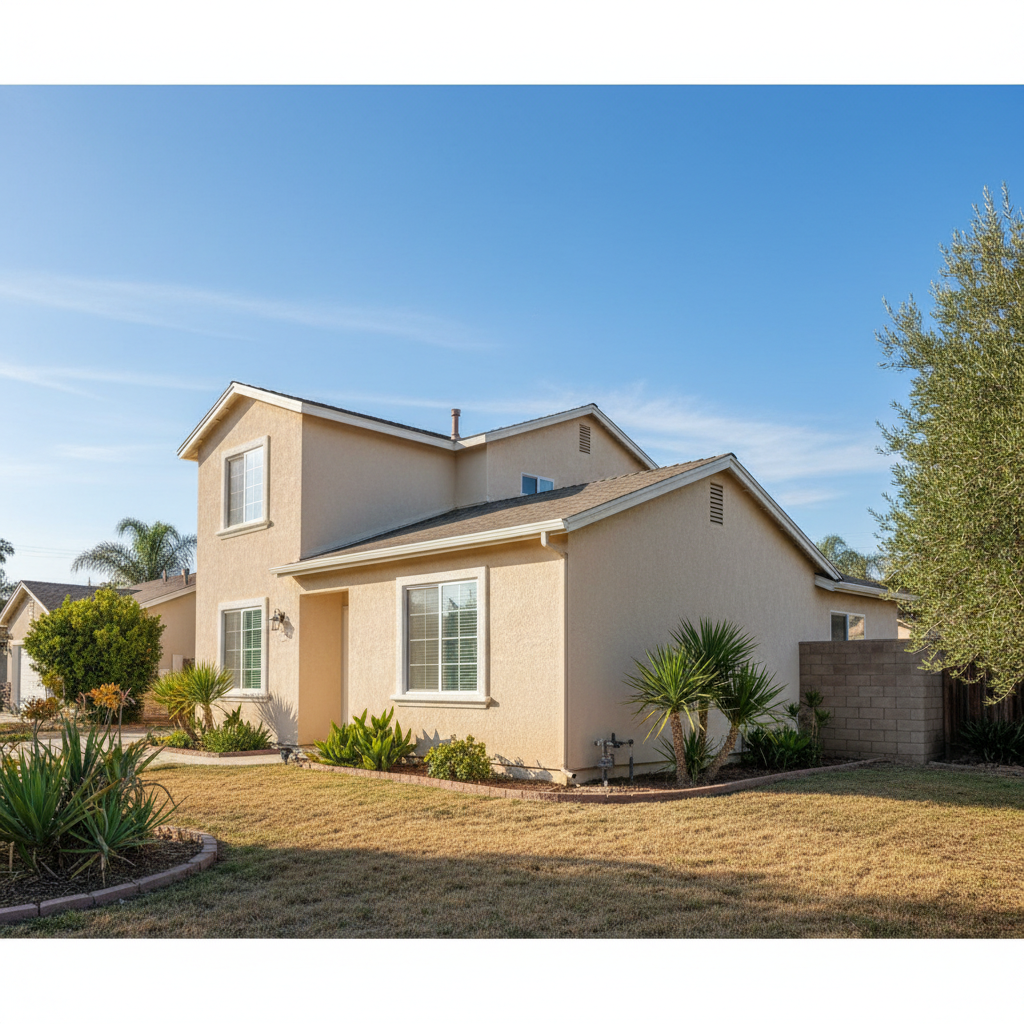
Alright, let's talk about EIFS – Exterior Insulation and Finish Systems. You're probably looking into it because you want better insulation, a fresh look for your place, or maybe you're building new and want a modern, energy-efficient exterior. That's a smart move. But what's it really going to cost you right here in Oxnard?
First off, forget those generic online calculators. They don't know our local labor rates, what materials are available, or the specific challenges we face. Think about the salty air near Port Hueneme, for instance, or those occasional Santa Ana winds that can make scaffolding tricky. I've been doing this for years, and I can tell you, EIFS isn't a one-size-fits-all price tag.
What Makes EIFS Pricing Jump Around?
A few big things really move the needle on your EIFS quote:
- The System Type: There are two main types: barrier and drainage. Barrier systems usually cost less upfront because they're simpler to install. Drainage systems, on the other hand, are designed to shed any water that gets behind the EIFS, so they're a bit more complex and, naturally, cost more. If you're in a high-exposure area or just want maximum protection, drainage is often the way to go; it's what I recommend for most homes around here.
- Square Footage: This one's obvious, right? More wall means more material and more labor. But it's not just the flat walls; it's also how complicated the whole thing is.
- Architectural Details: This is a huge factor. Got lots of corners, arches, columns, pop-outs, or intricate trim work? Each of those details needs more skilled labor and specialized cutting and fitting. A simple, boxy house will always be cheaper per square foot than a home with a lot of architectural flair, wouldn't you agree?
- Insulation Thickness: EIFS comes with different insulation thicknesses, usually from 1 inch to 4 inches. Thicker insulation means better energy efficiency, but it also means higher material costs.
- Finish Texture and Color: Smooth finishes tend to show imperfections more easily, so they need a more careful application, which can add to labor costs. Coarser textures can be a bit more forgiving. Also, custom colors often cost more than standard options.
- Accessibility: Is your house easy to get to? Will we need extensive scaffolding? Are there landscaping obstacles or tight property lines we have to work around? All these things add time and effort to the job.
- Substrate Condition: If we're going over existing siding that's in rough shape, or if the sheathing needs a lot of prep work, that's going to add to the cost. We absolutely have to make sure we have a solid, clean surface to work with.
Typical Cost Ranges in Oxnard
Okay, let's get down to some numbers. Keep in mind these are just ranges, and your specific project could fall outside them depending on all those factors I just mentioned. Still, this should give you a realistic idea:
- Basic Barrier System: For a straightforward, relatively flat wall with minimal architectural details, you're probably looking at $9 to $13 per square foot. This would be for a standard texture and color, usually with 1-2 inches of insulation.
- Drainage System (Most Common): For a good quality drainage system – which is what most homeowners in Oxnard choose because it handles moisture so well – expect to pay anywhere from $12 to $18 per square foot. This range accounts for a bit more complexity, perhaps 2-3 inches of insulation, and a standard finish.
- Complex Projects/High-End Finishes: If your project has a lot of architectural details, multiple stories that need extensive scaffolding, thicker insulation (3-4 inches), or a specialty finish, you could see costs go up to $18 to $25+ per square foot. Think custom colors, intricate banding, or a very fine, smooth finish.
So, for an average 2,000 square foot home with, say, 1,500 square feet of exterior wall space, you might be looking at anywhere from $18,000 on the very low end for a basic barrier system to $37,500 or more for a complex drainage system with all the bells and whistles. Most projects, honestly, land somewhere in the middle of that.
What Should a Good Quote Include?
When Oxnard Stucco & Plastering gives you a quote, or any reputable contractor for that matter, you should see a clear breakdown. Don't just accept a single number. Your quote should detail:
- Scope of Work: Exactly what areas are being covered.
- System Type: Barrier or drainage, and the specific manufacturer's system being used.
- Insulation Thickness: Clearly stated.
- Finish Type & Color: The texture and specific color code.
- Prep Work: What's included for surface preparation.
- Flashing & Sealants: These are crucial for EIFS performance; make sure they're specified.
- Waste Removal: Who's responsible for hauling away debris.
- Warranty Information: Both for materials and labor.
- Payment Schedule: Clear milestones for payments.
How to Avoid Overpaying
You don't want to get ripped off, and I certainly don't want that for you either. Here's my advice:
- Get Multiple Quotes: Always get at least three detailed quotes. This helps you compare not just price, but also the scope of work and the contractor's approach.
- Check References: Talk to past clients. Ask if the job was finished on time and on budget.
- Verify Licensing & Insurance: Make sure your contractor is licensed (C-35 in California for plastering/stucco) and carries adequate liability and worker's comp insurance. Don't skip this step, it's vital.
- Understand the System: Ask questions! A good contractor will take the time to explain the difference between barrier and drainage, why they recommend a certain thickness, and what the benefits are.
- Don't Go for the Cheapest Bid: The lowest price often means corners are being cut, either in materials or labor. EIFS is an investment; you want it done right.
EIFS is a great choice for many homes here in Oxnard, offering excellent insulation and a beautiful, durable finish. Just make sure you do your homework, understand what you're paying for, and choose a contractor who knows their stuff. It'll save you headaches and money in the long run.