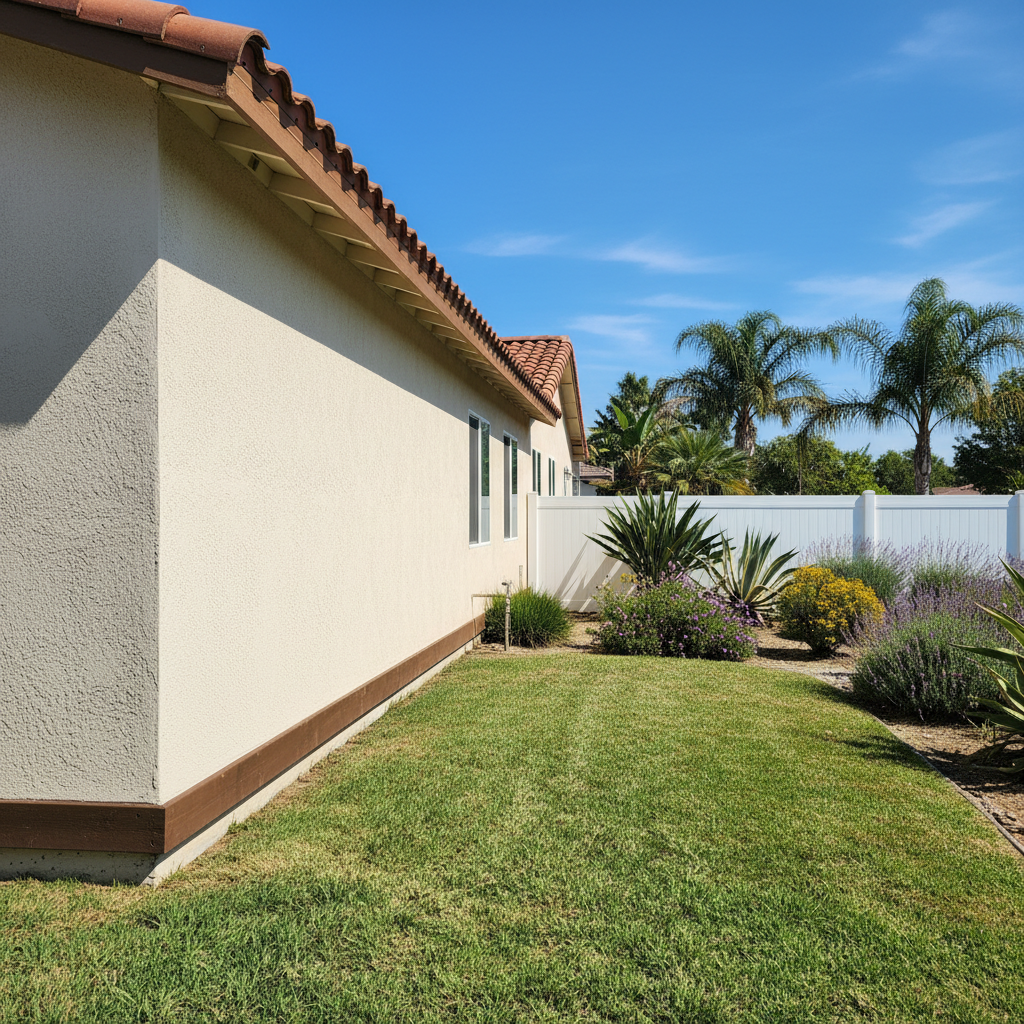
Alright, let's talk stucco. You've got it on your home for a good reason – it is tough, it looks good, and it handles our Southern California sun better than a lot of other materials. But "low maintenance" does not mean "no maintenance." Especially here in Oxnard, with that beautiful ocean air and occasional humidity, your stucco needs a bit of attention to really last a long time.
Extending the Life of Your Stucco in Oxnard
You want your stucco to protect your home for many decades, right? The good news is, it is totally achievable with some straightforward habits. First off, think about what your stucco is up against. Here in Oxnard, particularly closer to areas like Hollywood Beach or Oxnard Shores, we are dealing with salt air. That salt can be corrosive over time and can lead to issues if it is not managed properly.
- Rinse it Down: Seriously, this is one of the easiest things you can do. Every few months, grab a garden hose – not a high-pressure washer, those can actually damage the stucco and force water where it should not go – and give your exterior walls a gentle rinse. This washes away salt buildup, dust, and grime that can accumulate on the surface.
- Mind Your Landscaping: Keep plants, bushes, and trees trimmed back from your stucco. They can trap moisture against the wall, block proper drying, and even cause physical damage. Also, make sure your sprinklers are not constantly hitting the stucco. That constant moisture is a big no-no and a common cause of stucco problems.
- Seal the Deal: Check the caulking around your windows, doors, and any other penetrations in your stucco regularly. Over time, caulk can dry out, crack, and pull away, creating openings for water to sneak in. Re-caulking these areas is a simple, effective barrier against moisture intrusion.
- Good Drainage is Key: Make sure your gutters and downspouts are clean and directing water away from your foundation. If water pools around the base of your home, it can wick up into the stucco, leading to problems. Keep your weep screeds clear of soil, mulch, or debris to allow proper drainage.
Regular Maintenance: What to Look For
I tell folks to do a quick walk-around of their home at least twice a year, maybe once in the spring and again in the fall. It is like a health check for your house, and it helps you catch small issues before they become big ones.
- Visual Inspection: Look closely at the entire stucco surface. Are there any new cracks? Do you see any discoloration or stains? Pay extra attention around windows, doors, and the base of your walls.
- Clean it Up: If you see any dirt, mildew, or algae, clean it off gently with a soft brush, mild detergent, and your garden hose. North-facing walls, which get less sun, are often more prone to mildew growth.
- Check for Chalking: If you run your hand over the stucco and get a powdery residue, that is called chalking. It means the sun is breaking down the binders in the topcoat. While not immediately critical, it can indicate that your finish is aging and might need attention down the line.
Warning Signs of Stucco Problems
Catching problems early is important. A small issue ignored can turn into a big, expensive headache fast, especially with our coastal climate accelerating things like corrosion and moisture damage.
- Cracks: Hairline cracks, smaller than 1/8 inch, are often just cosmetic and can be repaired with a DIY kit. But wider cracks, or those that spiderweb out from window and door corners, are a red flag. These can indicate structural movement or, more seriously, water intrusion.
- Stains and Discoloration: Brown or rust-colored streaks, especially below windows, vents, or roof lines, almost always mean water is getting in where it should not. White powdery stains, also known as efflorescence, also point to water moving through the stucco.
- Bulging or Soft Spots: If you see areas where the stucco is pushing outwards, or if a section feels soft or spongy when you press on it, that is a serious sign of moisture trapped behind the stucco. This can potentially lead to rot in the wood framing of your home.
- Crumbling or Flaking: If pieces of stucco are chipping off or crumbling, it means the material is losing its integrity. This can be due to age, impact, or underlying water damage.
- Bubbles or Blisters: These indicate moisture trapped behind the stucco, often due to faulty installation or flashing.
- Mold or Mildew: While some surface mildew can be cleaned, persistent or recurring mold, especially on north-facing walls, means constant dampness and potential moisture issues that need to be addressed.
When to Call a Professional
Look, some things you can handle yourself, but for others, you need an expert. If you see any of those serious warning signs I just mentioned, it is time to pick up the phone and call us at Oxnard Stucco & Plastering.
- Cracks Wider Than 1/8 Inch: Anything beyond a hairline crack needs a professional assessment. We can pinpoint the cause and make sure the repair is done right to prevent future issues.
- Water Stains, Bulging, or Soft Spots: These are almost always indicators of water intrusion and potential hidden damage like wood rot. You do not want to mess around with that. A professional like Oxnard Stucco & Plastering will do a thorough inspection to find the source of the water and address it properly, not just patch over the problem.
- Crumbling or Extensive Damage: If large sections of your stucco are failing, it is beyond a simple DIY fix. This often points to underlying structural issues or widespread moisture problems that require specialized remediation.
- Hollow Sounding Stucco: If you tap on the stucco and it sounds hollow in places, that can mean it is delaminated from the wall, which is a big problem that needs professional attention.
- Any Doubt: If you are unsure about the severity of the damage or the best way to fix it, just call us. It is always better to get an expert opinion early than to let a small problem become a huge, costly repair down the road.
Your home is a big investment, and its stucco exterior is its first line of defense against the elements. Taking these steps for regular maintenance and knowing when to call in the pros will keep your Oxnard home looking great and protected for many years to come.