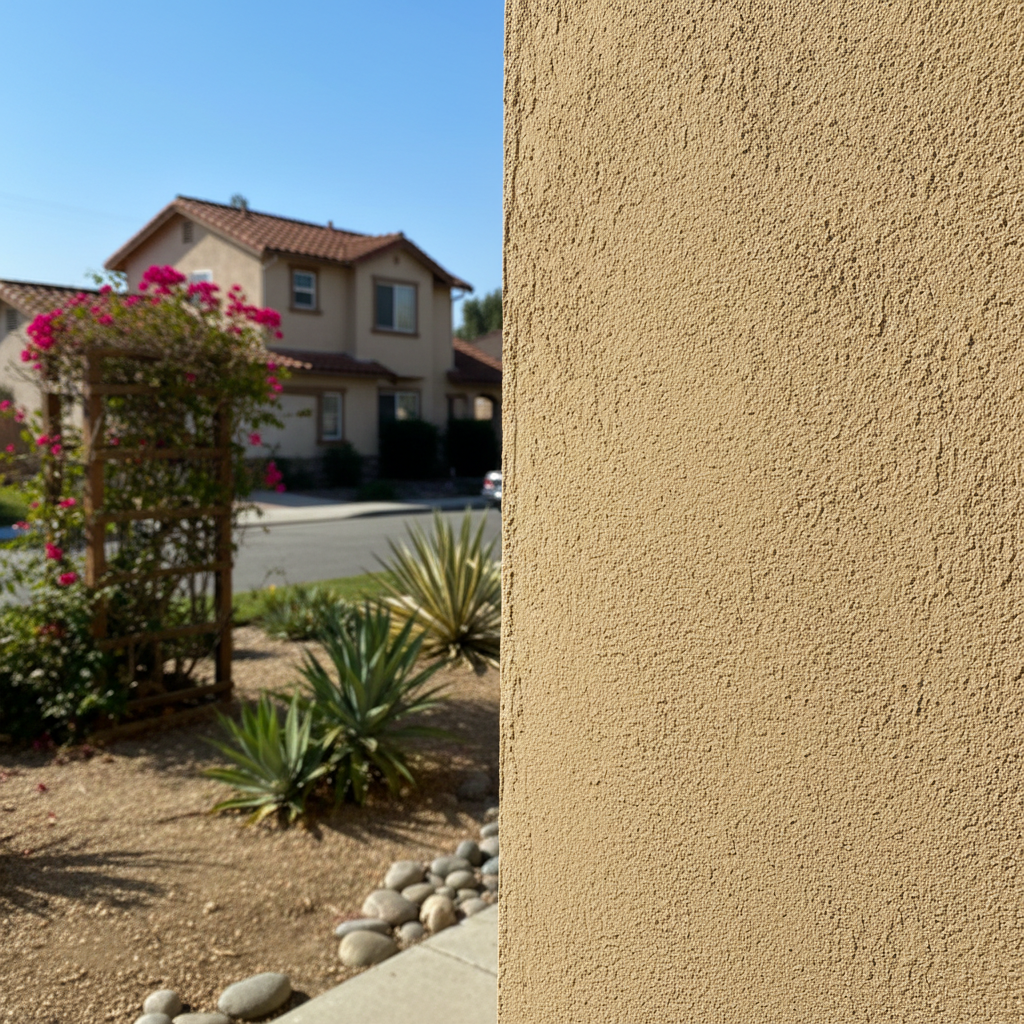
What's the real difference between traditional three-coat stucco and one-coat stucco?
You hear these terms thrown around a lot, and it can get confusing. Traditional three-coat stucco, which is what we've been doing for generations, involves three distinct layers: a scratch coat, a brown coat, and then the finish coat. Each layer cures, or dries, before the next one goes on. This process creates a really robust, thick, and durable wall system. It's time-tested, and frankly, it's what I prefer for most homes here in Oxnard.
One-coat stucco, sometimes called 'modified' stucco, uses a cement-based mix that's applied in a single, thicker layer over a mesh. It's designed to be faster to install because you're not waiting for multiple coats to cure. While it can be a good option for some projects, especially if you're on a tighter timeline or budget, it's generally not as thick or impact-resistant as a traditional three-coat system. I've seen both perform well, but for long-term durability and that classic, solid feel, three-coat is often the way to go.
How long does a typical stucco installation take?
This is one of those 'how long is a piece of string?' questions, but I can give you a good idea. For an average-sized single-family home in Oxnard, say around 1,500 to 2,000 square feet, a full traditional three-coat stucco installation can take anywhere from two to four weeks. That's from the moment we start prepping the walls to when the final coat is dry.
Why the range? Well, it depends on the weather – if we get a lot of those misty, damp mornings or unexpected rain, it slows down the curing process between coats. The complexity of your home's architecture plays a big part too. Lots of intricate details, corners, or different levels mean more precise work and more time. Access to the walls, like if we need extensive scaffolding, also adds to the timeline. One-coat systems are generally quicker, often shaving a week or so off the total, but again, weather and complexity are still factors.
What kind of maintenance does new stucco need?
The beauty of stucco is that it's pretty low maintenance, especially compared to wood siding that needs regular painting. Once it's installed correctly, you're mostly looking at keeping it clean and doing occasional inspections. I tell my clients to give their stucco a good visual once a year. Look for any hairline cracks – these are usually superficial and nothing to worry about, but larger cracks or areas where the stucco looks loose need attention.
Cleaning is usually just a gentle wash with a garden hose and a soft brush, maybe some mild detergent if you have stubborn dirt or mildew, which can happen on the north-facing sides of homes in our coastal climate. Avoid high-pressure washers, as they can damage the finish. If you plan to paint your stucco down the line, make sure you use a breathable, elastomeric paint designed for masonry. Don't just slap on any old house paint; it needs to let the walls breathe.
Can stucco be installed over existing siding, like wood or brick?
Short answer: usually not directly. Stucco needs a very specific substrate to adhere properly and perform well. If you've got wood siding, we'll typically need to remove it down to the sheathing. Then we'll install a weather-resistive barrier (like building paper), metal lath, and then apply the stucco coats. It's a complete system designed to manage moisture.
For brick, it's a bit different. You can sometimes stucco directly over brick, but it requires a very thorough cleaning and preparation of the brick surface, often including a bonding agent. Even then, it's not always the ideal solution. My team at Oxnard Stucco & Plastering always recommends a full assessment of your existing walls to determine the best and most durable approach. Cutting corners here can lead to big problems down the road, like moisture intrusion or stucco delamination.
What about moisture problems? I've heard stucco can cause issues.
You're right to be concerned, because poorly installed stucco *can* lead to moisture problems. But it's not the stucco itself that's the issue; it's almost always improper installation and detailing. Modern stucco systems, when done right, are designed to manage moisture effectively. This means proper flashing around windows and doors, weep screeds at the bottom of walls to allow water to escape, and a good weather-resistive barrier behind the stucco.
The key is making sure water that gets behind the stucco (and some always will, that's normal) has a clear path to drain out. If these details are missed or done incorrectly, water can get trapped, leading to rot in the framing or mold. That's why choosing an experienced contractor who understands building science and follows best practices is critical. We pay close attention to these details, especially in areas like the Seabreeze neighborhood where homes are close to the ocean and humidity can be a factor.
What's the typical lifespan of a new stucco installation?
A properly installed, traditional three-coat stucco system can easily last 50 years or more. I've worked on homes in Oxnard with stucco that's been there since the 50s and 60s, and with a little repair here and there, it's still doing its job. The finish coat might need refreshing with paint or a new color coat after 15-20 years, just for aesthetics, but the underlying system is incredibly durable.
The lifespan really comes down to the quality of the initial installation and how well it's maintained. If corners are cut during installation, or if you neglect repairs when they pop up, you'll obviously shorten its life. But if you invest in a quality job upfront and keep an eye on it, stucco is one of the longest-lasting exterior finishes you can put on your home.